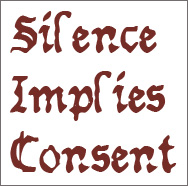
We often talk about the importance of silence and consent in our daily social interactions, but there is a psychological layer to these concepts that extends into how we approach high-stakes choices. Whether you are navigating a complex negotiation or simply trying to decide when to hold firm on a position, the ability to read the room is vital. Silence, in many cases, is not just an absence of noise; it is a signal of tension, anticipation, or calculated waiting. Mastering this rhythm is what separates those who act impulsively from those who truly understand the game they are playing.
I have spent years observing how people calibrate their internal risk assessment when faced with uncertainty. In professional settings, this involves analyzing data points, but in competitive environments, it becomes much more visceral. You have to learn to distinguish between a “lucky break” and a move grounded in genuine probability. I often see people get frustrated when their gut feeling doesn’t align with the odds, yet they forget that successful decision-making is about consistent long-term strategy rather than one-off miracles.
For those looking to refine their analytical approach and explore the mechanics of risk management, check out this guide for a deeper dive into the numbers behind athletic betting. It provides a solid foundation for anyone interested in understanding how betting odds shift based on team performance and market sentiment. It is essentially about applying logic to a domain often ruled by emotion.
At the end of the day, whether you are dealing with legal agreements or placing a wager, the principle remains identical: gather as much information as possible, wait for the right moment, and don’t mistake silence for agreement. Success favors the prepared mind, not the one that bets on pure hope. Stick to your research, stay disciplined, and always keep an eye on how the variables change in real-time.